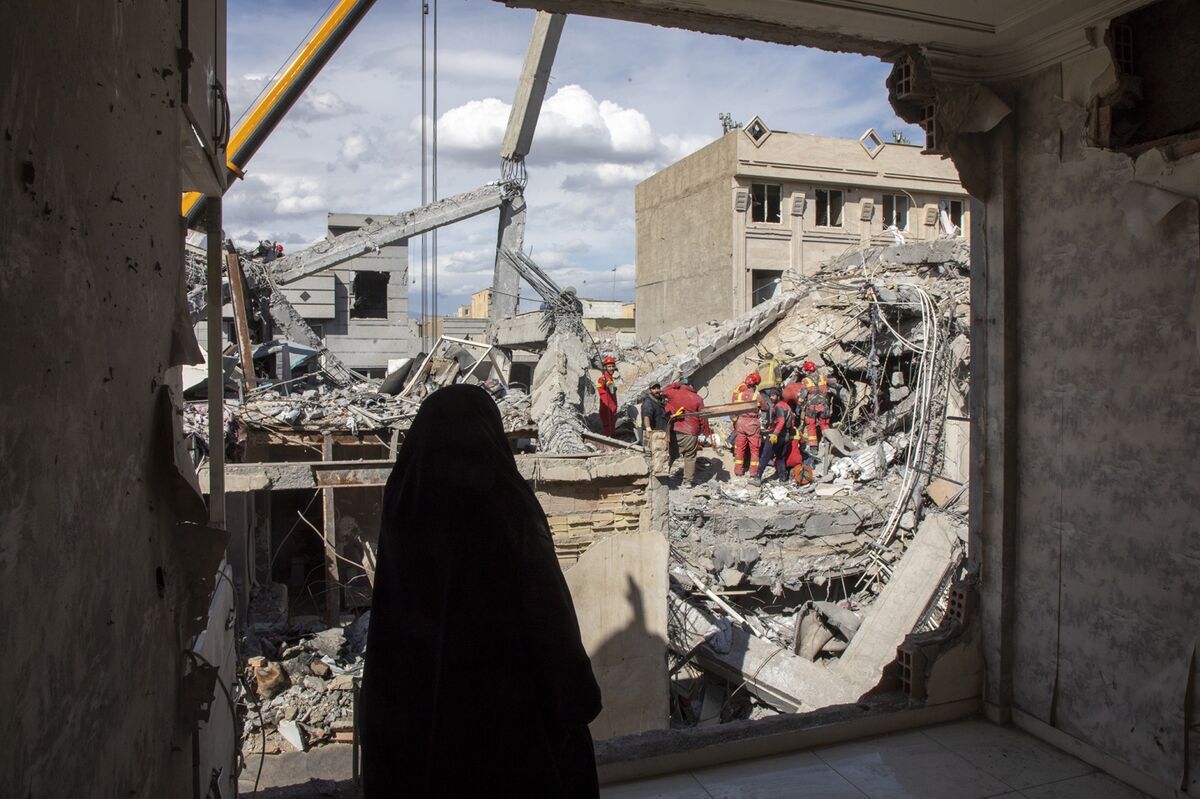
The sudden escalation of hostilities in Iran has sent shockwaves through global equity markets, eroding the defensive layers that many investors believed were rock solid. As the Dow and S&P tumble, the episode forces a hard look at how geopolitical risk is woven into portfolio construction and why the old playbooks are no longer sufficient.
Why Traditional Portfolio Defenses Failed
Most institutional portfolios rely on a mix of sector diversification, geographic spread, and quantitative risk models that assume a certain level of market stability. The Iran war introduced a rapid, correlated shock across energy, defense, and emerging‑market equities, collapsing those assumptions within hours. Stress‑testing frameworks, which often use historical volatility as a baseline, missed the speed and breadth of the contagion because similar events are rare in the data sets they draw from. Moreover, the reliance on passive index exposure amplified losses; when benchmarks fell, so did the funds tracking them, leaving little room for active managers to deviate. The result is a clear illustration that static hedges and historical correlations can be rendered obsolete by sudden geopolitical upheaval, demanding a more dynamic, scenario‑driven approach to risk.
Implications for Founders and Tech Investors
Founders and venture‑backed tech firms sit at the intersection of capital markets and macro risk. A sudden market rout can tighten financing conditions, raise the cost of capital, and shift investor appetite toward defensive sectors. The current sell‑off has already prompted several late‑stage funds to pause new commitments, while early‑stage investors are re‑evaluating runway assumptions. For engineers building AI or SaaS platforms, the pressure to demonstrate immediate revenue growth intensifies as public‑market valuations contract. At the same time, the heightened focus on energy and defense spending creates niche opportunities for startups that can address supply‑chain resilience or cybersecurity for critical infrastructure. The key takeaway for founders is to maintain liquidity buffers, diversify funding sources, and align product roadmaps with emerging geopolitical priorities.
Strategic Adjustments Moving Forward
Investors should embed real‑time geopolitical monitoring into their risk‑management stack, using forward‑looking indicators rather than relying solely on lagging market data. Dynamic hedging strategies—such as options overlays or short‑duration credit exposure—can provide quicker protection when a crisis unfolds. Portfolio construction must also incorporate stress scenarios that model simultaneous shocks across multiple asset classes, not just isolated events. For founders, the immediate action is twofold: secure bridge financing before liquidity dries up, and articulate how their technology can mitigate the very risks that are destabilizing markets. By aligning growth plans with macro trends, both investors and entrepreneurs can turn volatility from a threat into a catalyst for strategic advantage.
"The Iran conflict underscores that agility in risk management and capital strategy is no longer optional—it’s a competitive imperative."