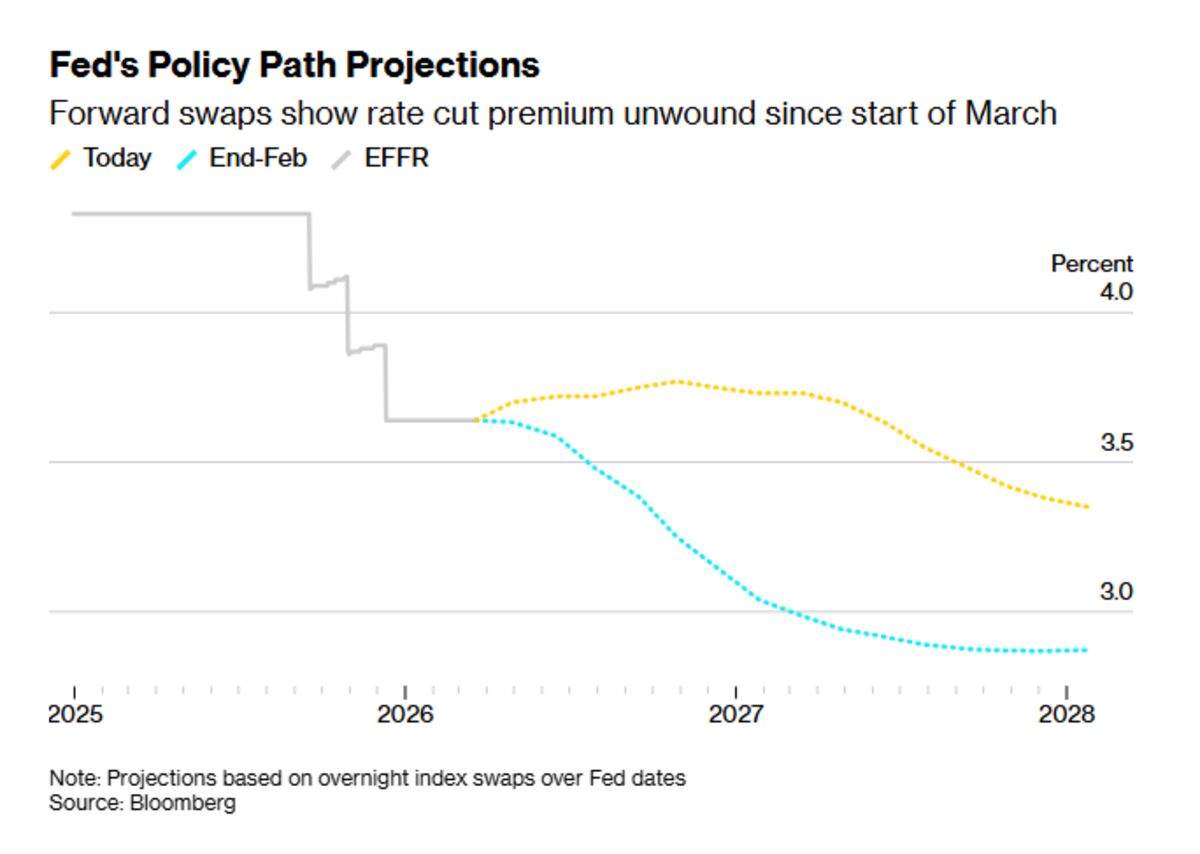
Global bond yields have surged to their highest levels since May 2024, driven by a perfect storm of rising energy costs and renewed expectations of Federal Reserve tightening. For founders, engineers, and investors, the shift reshapes the cost of capital and the risk calculus for growth initiatives.
Why Yields Are Surging
The recent escalation in the Middle East conflict has lifted oil and gas prices, feeding inflationary pressure into the broader economy. Higher commodity costs translate into increased input prices for manufacturers and service providers, prompting investors to demand higher yields as compensation for inflation risk. At the same time, the Treasury market has seen a steepening yield curve, with the 10‑year note climbing above 4.5 percent, a level not seen in over a year. This movement reflects a market consensus that the Federal Reserve will need to act more aggressively to curb price growth, forcing investors to price in a higher real return on fixed‑income assets. The combination of energy‑driven inflation and anticipatory monetary tightening has created a feedback loop that continues to push yields upward.
Fed Rate‑Hike Expectations and Market Pricing
Federal Reserve officials have signaled a willingness to raise rates by 25 basis points at each of the next two meetings, a stance that aligns with the market's current pricing of a 4.75‑5.00 percent policy rate by year‑end. Futures contracts on the Fed funds rate now embed roughly a 75‑basis‑point increase from today's level, a clear escalation from the modest expectations of early 2024. This shift has reverberated through Treasury and corporate bond markets, compressing spreads and raising borrowing costs across the board. For investors, the higher yields offer attractive entry points for duration‑focused strategies, but they also raise the hurdle rate for equity valuations, particularly for high‑growth tech firms that rely on cheap capital. The market is effectively betting that the Fed will prioritize inflation control over growth support, a trade‑off that will shape financing conditions for months to come.
Implications for Capital‑Intensive Startups
Startups that depend on debt financing, especially those in hardware, biotech, or clean‑energy sectors, will face a steeper cost of capital as bond yields climb. Higher rates increase the expense of convertible notes and venture debt, prompting founders to reassess capital structures and consider locking in fixed‑rate financing before yields rise further. Equity rounds may become more expensive for investors, who will demand tighter valuations to offset the higher risk‑free rate. Companies with strong cash flows can mitigate impact by extending debt maturities or hedging interest‑rate exposure, but early‑stage firms may need to lean more heavily on equity or strategic partnerships. The environment underscores the importance of financial discipline and proactive treasury management for growth‑focused enterprises.
"Rising yields and aggressive Fed expectations are redefining financing dynamics, making disciplined capital management essential for founders and investors alike."