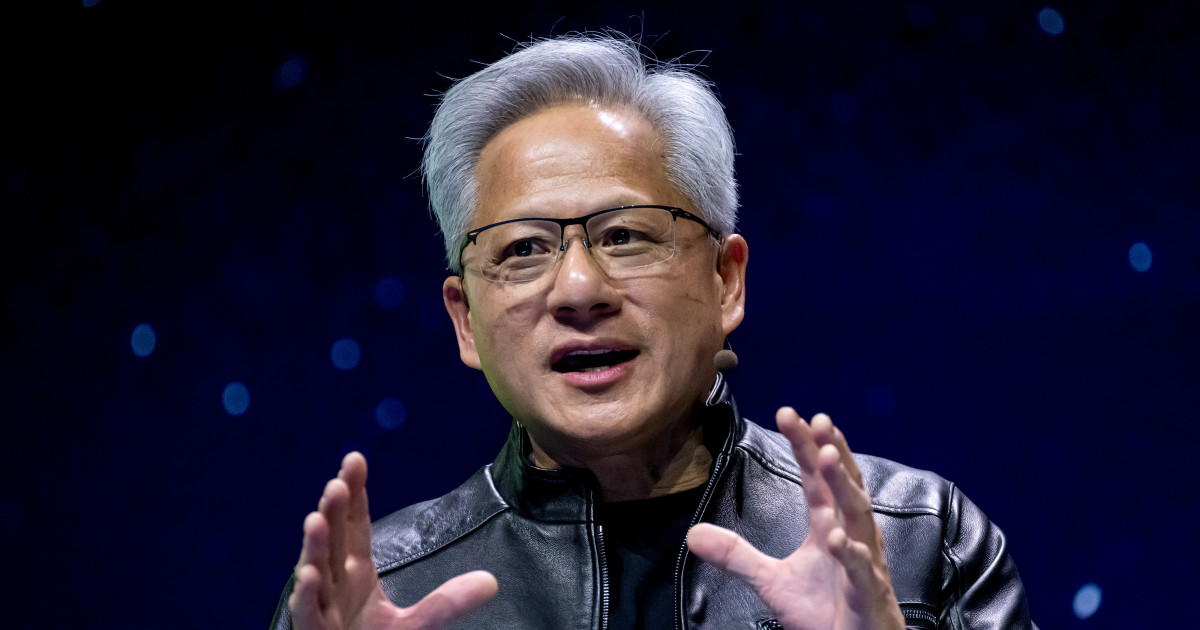
Nvidia’s GTC event dazzled with new AI hardware announcements, but Goldman Sachs cut through the fanfare with a stark warning. The bank’s analysts argue that the market’s exuberance may be outpacing the company’s near‑term earnings reality, a signal that founders, engineers, and investors need to scrutinize carefully.
Why Goldman Sachs’s Warning Matters
Goldman Sachs commands credibility on both the sell‑side and buy‑side, and its research reports influence institutional allocations worldwide. When the firm flags a potential overvaluation, it often triggers a reassessment of risk models used by pension funds, venture capitalists, and corporate treasuries. In the case of Nvidia, the warning follows a period where the stock surged more than 150 percent in twelve months, largely on speculative bets about generative AI demand. Goldman’s analysts point to a widening gap between the company’s forward‑looking revenue guidance and the actual adoption timeline of its latest GPUs. For investors, this disparity translates into higher volatility and the possibility of a sharp correction if demand stalls. For founders building AI startups, the message is clear: reliance on Nvidia’s pricing power as a growth lever may be riskier than it appears.
The Gap Between GTC Hype and Market Fundamentals
GTC showcased impressive benchmarks, yet the underlying economics remain unsettled. Nvidia’s newest chips promise unprecedented performance, but their production costs and supply chain constraints could limit short‑term margins. Moreover, the broader AI ecosystem is still grappling with data availability, model efficiency, and regulatory scrutiny, factors that could temper the pace of hardware consumption. Goldman’s report highlights that while enterprise budgets are expanding for AI workloads, a sizable portion is still allocated to cloud services rather than on‑premise GPU purchases. This shift reduces the immediate addressable market for Nvidia’s high‑end products. Additionally, competition from emerging players in custom silicon, such as AMD and specialized ASIC vendors, introduces pricing pressure. The combination of supply bottlenecks, slower-than‑expected adoption, and competitive dynamics suggests that the current valuation may be built on optimistic assumptions rather than concrete cash flow.
What Investors and Founders Should Do Next
Investors ought to diversify exposure across the AI stack rather than concentrate on a single hardware champion. Allocating capital to companies that provide data, model optimization, or cloud infrastructure can mitigate the risk of a hardware‑centric correction. Founders should evaluate the total cost of ownership for Nvidia GPUs and consider hybrid strategies that blend on‑premise and cloud compute, preserving flexibility as pricing evolves. Both groups would benefit from monitoring Nvidia’s quarterly earnings for signs of margin compression or inventory buildup, which often precede broader market adjustments. In the meantime, maintaining a disciplined valuation framework will help separate genuine technological breakthroughs from hype‑driven price inflation.
"Goldman’s blunt message serves as a timely reminder that AI hype must be grounded in solid fundamentals, urging all stakeholders to reassess risk and strategy."