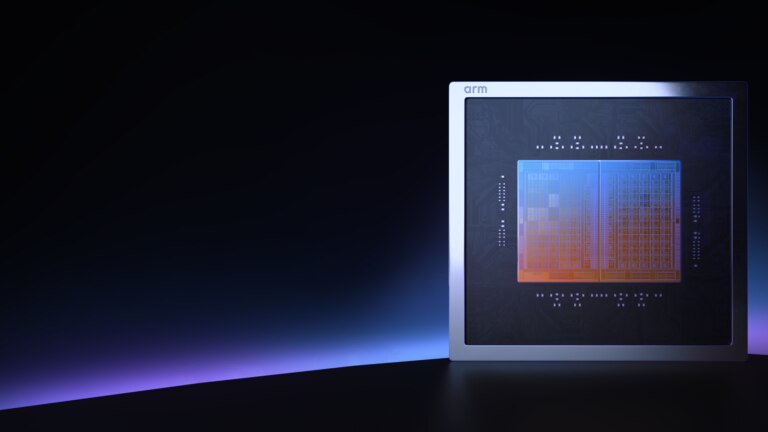
Arm announced the launch of its first AGI‑focused CPU, a move that could shift the balance of power in AI compute. By bringing a purpose‑built silicon solution to data centers, Arm aims to address the growing demand for energy‑efficient, high‑throughput processing. The timing aligns with a surge in generative AI workloads, making the announcement highly relevant for founders, engineers, and investors alike.
Why Arm’s AGI CPU Matters for the AI Stack
Arm’s new AGI CPU represents a strategic pivot from its traditional role as a licensor of low‑power cores to a provider of high‑performance compute blocks. The chip is engineered to handle massive matrix operations while keeping power consumption lower than comparable GPUs, thanks to Arm’s expertise in instruction‑set optimization and heterogeneous integration. By embedding specialized tensor accelerators alongside general‑purpose cores, the design promises to reduce latency for inference and training workloads that dominate modern AI pipelines. This hardware‑first approach also leverages Arm’s extensive ecosystem of software tools, allowing developers to compile existing frameworks with minimal code changes. For investors, the move signals a potential new revenue stream beyond licensing, while engineers gain a fresh target for performance tuning and system design.
Implications for Cloud Providers and AI Startups
Cloud giants such as AWS, Azure, and Google Cloud are constantly seeking ways to lower the cost per operation for AI services. Arm’s AGI CPU could give them a silicon alternative that competes on price and efficiency, especially in regions where power constraints limit GPU deployment. For AI‑focused startups, access to a more affordable compute tier could lower the barrier to entry for training large models, accelerating product cycles and reducing burn rate. The chip’s compatibility with existing Arm‑based servers also simplifies integration into current infrastructure, potentially shortening deployment timelines. Moreover, a diversified hardware market may dilute the current dominance of Nvidia, encouraging competitive pricing and fostering innovation across the AI hardware stack.
Looking Ahead: Adoption Challenges and Opportunities
While the AGI CPU is technically impressive, its market impact will depend on software readiness and ecosystem support. Compiler toolchains, libraries, and cloud‑native orchestration must evolve to fully exploit the chip’s capabilities. Early adopters will likely be organizations with in‑house engineering talent capable of optimizing workloads, leaving a gap for managed services to bridge. Competition from other silicon players, including custom ASICs from hyperscalers, will test Arm’s ability to differentiate on performance per watt. If the ecosystem matures quickly, the CPU could become a cornerstone for cost‑effective AI workloads, opening new investment opportunities in hardware‑software co‑design firms.
"Arm’s entry into AI‑optimized silicon could reshape compute economics, rewarding those who act early in building compatible workloads."