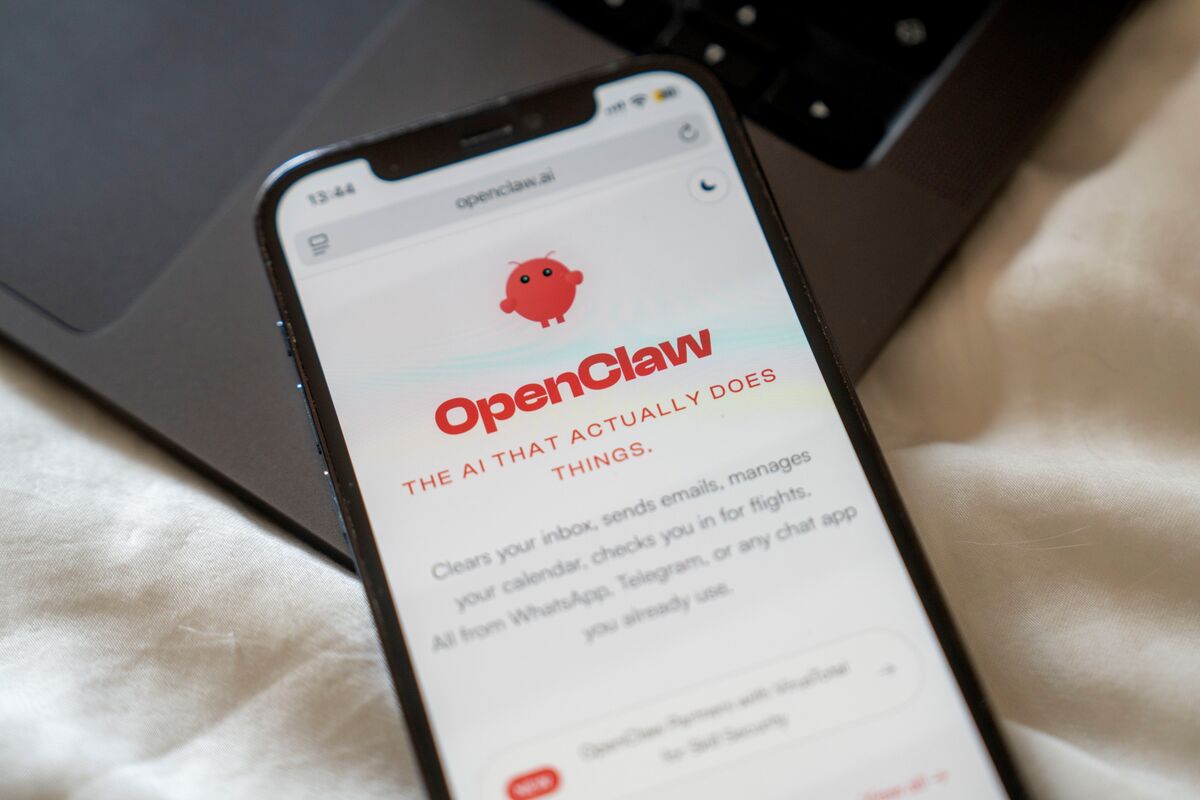
Alibaba has unveiled OpenClaw, a mobile‑first platform that promises to spin up sophisticated AI agents in under ten minutes. The move signals a shift toward democratized, agentic AI tools in China’s booming tech ecosystem. For founders, engineers, and investors, the speed and accessibility of OpenClaw could redefine product timelines and competitive dynamics.
Why OpenClaw Matters for the AI Landscape
OpenClaw abstracts the complexities of large‑language model orchestration, offering a plug‑and‑play environment where developers can configure, test, and launch autonomous agents without deep infrastructure expertise. By bundling model access, memory management, and tool integration into a single app, Alibaba reduces the barrier to entry for startups aiming to embed AI decision‑making into consumer and enterprise workflows. The platform’s emphasis on rapid iteration aligns with the broader industry trend toward “AI‑as‑a‑service,” where time‑to‑market is as critical as model performance. Moreover, OpenClaw’s mobile orientation taps into China’s massive smartphone user base, potentially creating a new wave of AI‑enhanced applications that leverage on‑device processing and cloud‑backed inference.
Strategic Implications for Chinese Tech Titans
Alibaba’s entry into the agentic AI space intensifies the rivalry with Baidu, Tencent, and emerging AI‑focused startups. Each player is racing to capture ecosystem lock‑in by offering proprietary tools that bind developers to their cloud services and data pipelines. OpenClaw could serve as a gateway for Alibaba to upsell its broader cloud portfolio, including compute credits, data storage, and AI‑specific APIs. For investors, the launch hints at a monetization strategy that moves beyond traditional e‑commerce revenue, leveraging AI to generate recurring subscription income. Engineers at competing firms must now consider interoperability and migration costs, as talent may gravitate toward platforms that promise faster prototyping. The broader market may see a consolidation of AI tooling, with the most adaptable platforms emerging as de‑facto standards for agentic applications.
What Global Players Should Watch
Outside China, OpenClaw illustrates how regional giants can accelerate AI adoption by packaging sophisticated capabilities into consumer‑friendly interfaces. Western cloud providers should monitor the feature set and pricing model, as comparable offerings could become essential for multinational developers seeking cross‑border consistency. Additionally, the regulatory environment in China, which emphasizes data sovereignty and model oversight, may shape how OpenClaw handles user data and compliance. Companies planning to enter the Chinese market must assess whether integrating with Alibaba’s ecosystem offers a strategic advantage or introduces dependency risks. The next wave of AI competition will likely hinge on who can deliver end‑to‑end solutions that balance speed, scalability, and regulatory alignment.
"Alibaba’s OpenClaw could reshape how AI agents are built and monetized, offering founders and investors a fast‑track to innovative products while prompting a strategic rethink for rivals worldwide."