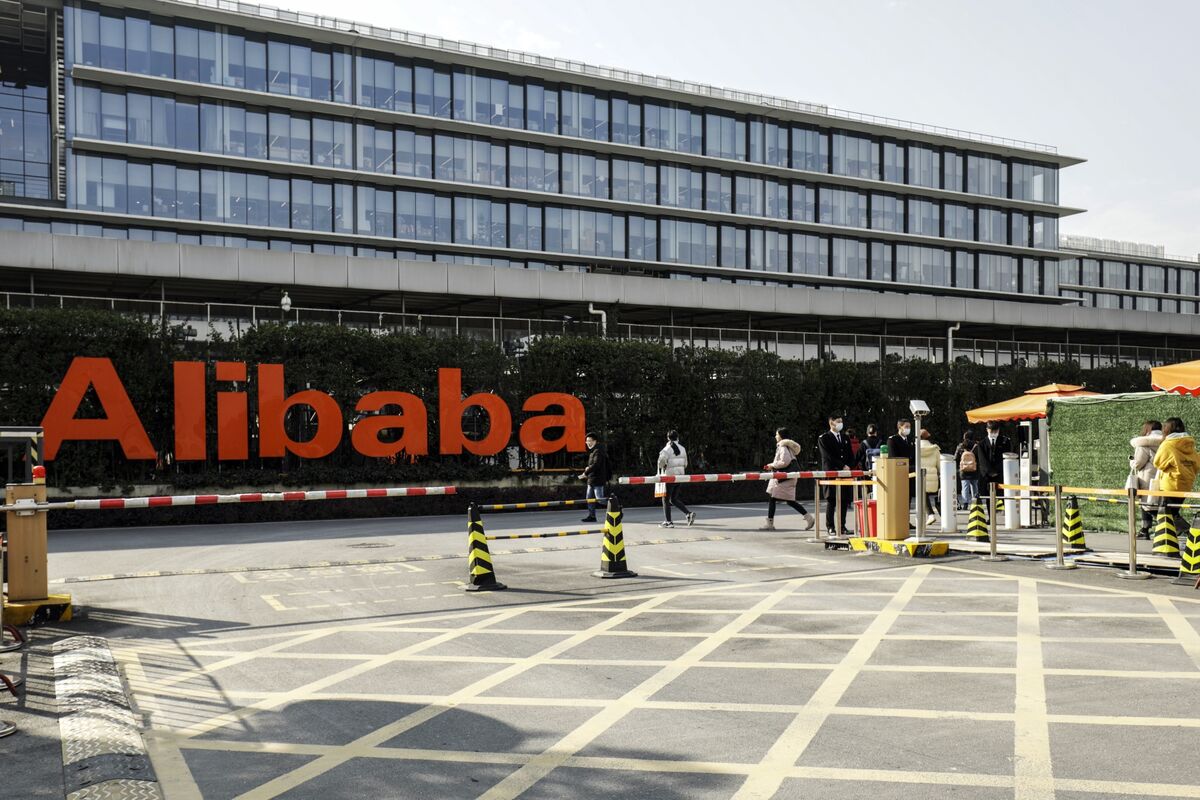
Alibaba has announced an aggressive plan to push its AI and cloud businesses to $100 billion in annual revenue within five years. The target represents a ten‑fold increase from current figures and signals a strategic pivot toward generative AI services as a growth engine. For founders, engineers, and investors, the move reshapes the competitive landscape of enterprise AI in Asia and beyond.
Why Alibaba’s $100 B Target Matters
Alibaba’s ambition is not just a financial headline; it reflects a broader shift in how Chinese tech firms view AI as a core revenue driver. The company’s cloud arm, Alibaba Cloud, already ranks among the top three global providers, yet its AI‑specific offerings lag behind rivals like AWS and Azure. By committing to a $100 billion AI topline, Alibaba signals that it will invest heavily in model development, data infrastructure, and developer tools to close that gap. For investors, the target provides a concrete metric to gauge execution risk, while founders can anticipate a more mature AI ecosystem in China, with potential access to scalable services and a large domestic market. Engineers will also see a surge in demand for AI talent as Alibaba expands its research labs and product teams.
The Roadmap: Cloud, Data, and Generative AI
Alibaba’s plan hinges on three pillars: expanding Alibaba Cloud’s AI infrastructure, leveraging its massive e‑commerce data trove, and launching generative AI products tailored to enterprise use cases. The cloud division will roll out next‑generation GPU and custom ASIC clusters, offering lower latency and cost‑effective pricing for large‑scale model training. Simultaneously, the company’s DAMO Academy is expected to accelerate research in large language models, multimodal AI, and reinforcement learning, positioning Alibaba as a source of proprietary models rather than a pure reseller of third‑party APIs. On the product side, Alibaba is integrating AI assistants into its suite of SaaS tools—ranging from supply‑chain optimization to marketing automation—creating bundled solutions that lock in enterprise customers. This vertical integration mirrors the strategy of global peers, but Alibaba’s unique access to billions of consumer interactions gives it a data advantage that could translate into more accurate and domain‑specific AI services.
Risks and Opportunities for Stakeholders
The road to $100 billion is fraught with challenges. Regulatory scrutiny in China, talent competition with U.S. AI powerhouses, and the need for sustained capital investment could slow progress. Yet the upside is compelling: a robust AI platform could become a cash‑flow engine, fund further innovation, and attract strategic partnerships worldwide. For investors, the target offers a clear performance benchmark; for founders, it promises a richer set of AI tools and potential co‑development opportunities; for engineers, it signals a surge in high‑impact projects and career growth. Monitoring Alibaba’s quarterly cloud revenue, model release cadence, and partnership announcements will be essential to assess whether the ambition translates into measurable market share.
"Alibaba’s $100 billion AI vision is a bold bet that could redefine the competitive dynamics of cloud AI, offering both high stakes and high rewards for the ecosystem’s key players."